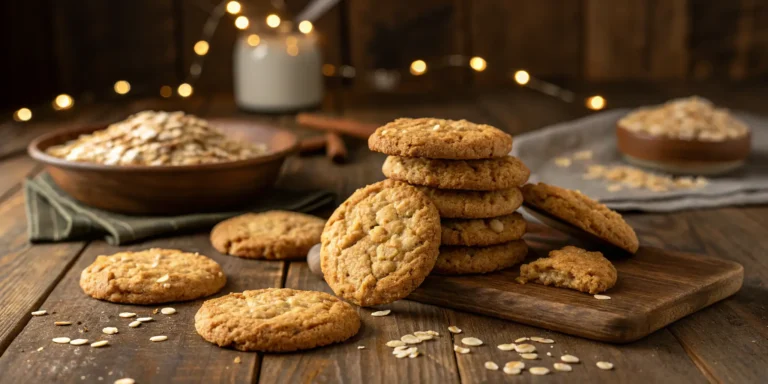
Easy Biscoff Cookie Recipe | 24 Soft & Chewy Cookie Butter Cookies
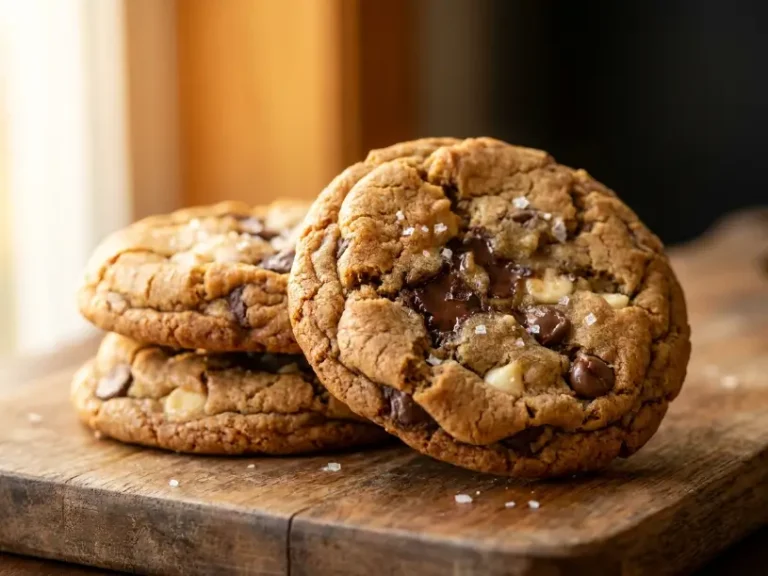
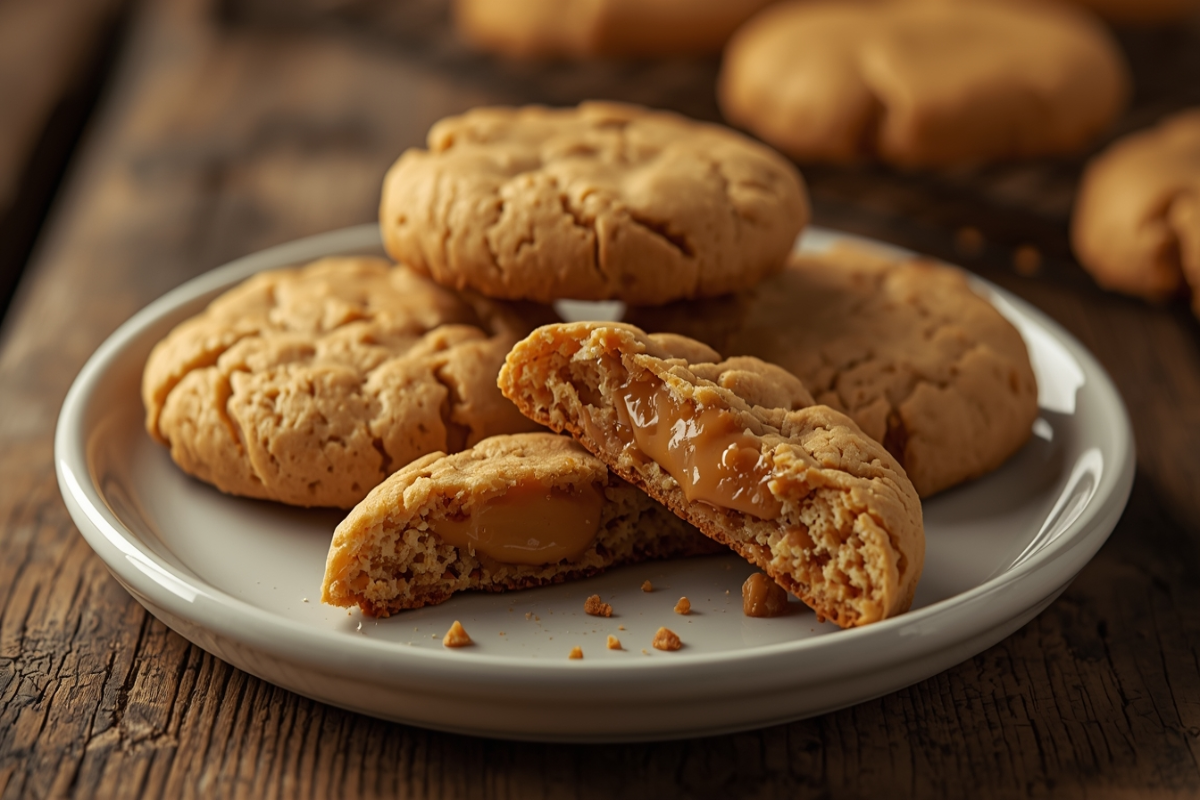
This biscoff cookie recipe creates 24 soft, chewy cookies with a secret molten cookie butter center. These biscoff cookies are made with brown butter for unmatched depth of flavor and feature crispy edges with tender centers. Whether you call them cookie butter cookies or biscoff cookie butter cookies, this easy biscoff cookies recipe delivers bakery-quality results every single time.
Perfect for both beginner bakers and cookie experts, this step-by-step guide shows you exactly how to make the ultimate biscoff cookie recipe with pro tips, troubleshooting advice, and everything you need for success. Looking for more cookie inspiration? Check out our complete collection of cookies and bars recipes!
What is Biscoff Cookie Butter?
Biscoff cookie butter (also called speculoos spread) is a smooth, spreadable paste made from crushed Lotus Biscoff cookies. It has a unique caramelized, slightly spiced flavor with notes of cinnamon and brown sugar. This Belgian treat is perfect for stuffing cookies, spreading on toast, or eating straight from the jar.
For this biscoff cookie recipe, the cookie butter creates a molten center that stays gooey even after baking. It is the defining element of any great biscoff cookie butter recipe. You can find it in most grocery stores near the peanut butter, or order it online.
Why This Biscoff Cookie Recipe Works
This biscoff cookie recipe delivers consistent, bakery-quality results because of three key techniques:
- Brown Butter: Browning the butter adds a deep, nutty flavor that makes these cookies taste genuinely special. Learn more about the brown butter technique here.
- Proper Chilling: Chilling the dough for at least 2 hours prevents spreading and creates thick, chewy cookies with crispy edges.
- Cookie Butter Filling: The surprise molten center elevates these from ordinary cookies to a truly memorable dessert experience.
These three elements combined make this the best biscoff cookie butter recipe you will ever try — and the reason these biscoff cookie butter cookies keep people coming back for more.
Biscoff Cookie Recipe Ingredients
This easy biscoff cookie recipe uses simple ingredients you probably already have in your pantry. For best results, use quality all-purpose flour and authentic Lotus Biscoff cookie butter.
Wet Ingredients
- 1 cup (226g) unsalted butter
- 1 cup (200g) brown sugar
- ½ cup (100g) granulated sugar
- 2 large eggs, room temperature
- 2 tsp pure vanilla extract
Dry Ingredients
- 2¾ cups (345g) all-purpose flour
- 1 tsp baking soda
- 1 tsp salt
- 1 tsp ground cinnamon
| Nutrient | Amount |
|---|---|
| Calories | 180 kcal |
| Total Fat | 9g |
| Saturated Fat | 5g |
| Carbohydrates | 24g |
| Sugar | 14g |
| Protein | 2g |
| Sodium | 110mg |
Step-by-Step Instructions
Brown the Butter

- Melt butter in a light-colored saucepan over medium heat. The light color helps you see the browning process.
- Swirl occasionally as the butter melts and begins to foam. Watch carefully — it browns quickly.
- Look for golden brown color and a nutty, toffee-like aroma. Brown bits will form at the bottom.
- Remove from heat immediately and pour into a heatproof bowl. Let cool to room temperature.
Browning butter adds a deep, nutty complexity that transforms a simple cookie into something genuinely special.
Whisk Dry Ingredients
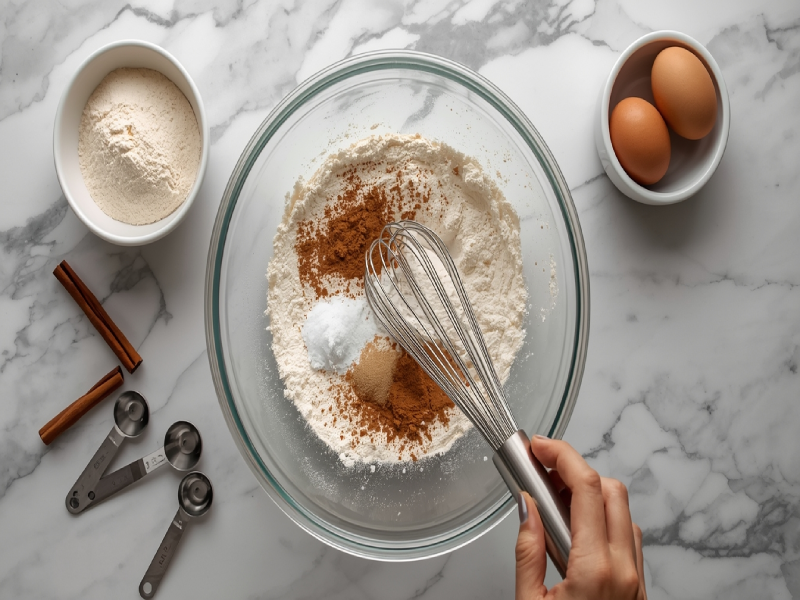
Cream Butter & Sugars
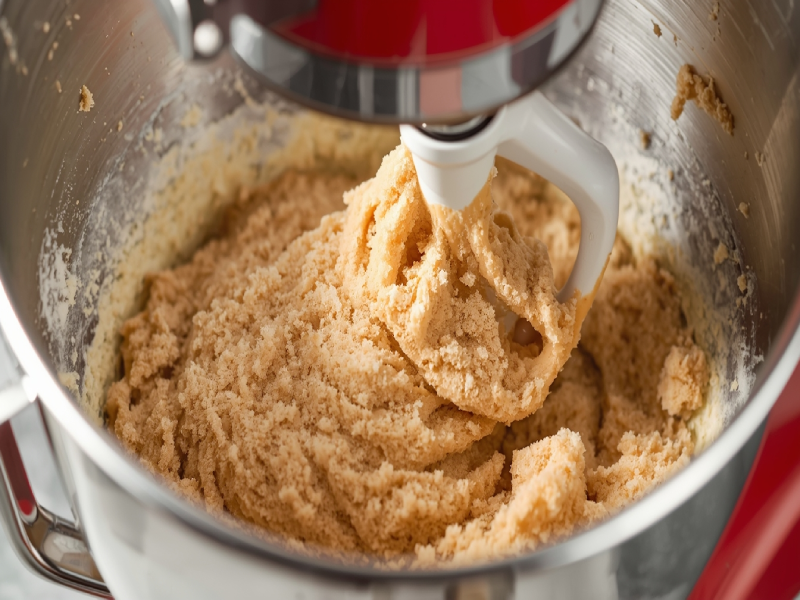
Beat the cooled brown butter with both sugars on medium-high speed. This step incorporates air into the dough, creating the foundation for that perfect chewy-yet-tender texture.
Add Eggs & Vanilla

- Add Eggs One at a Time: Crack in the first egg and beat until fully incorporated before adding the second.
- Scrape the Bowl: Stop and scrape down the sides of the bowl to ensure even mixing.
- Add Vanilla Extract: Pour in 2 teaspoons of pure vanilla and mix until just combined.
Incorporate Flour
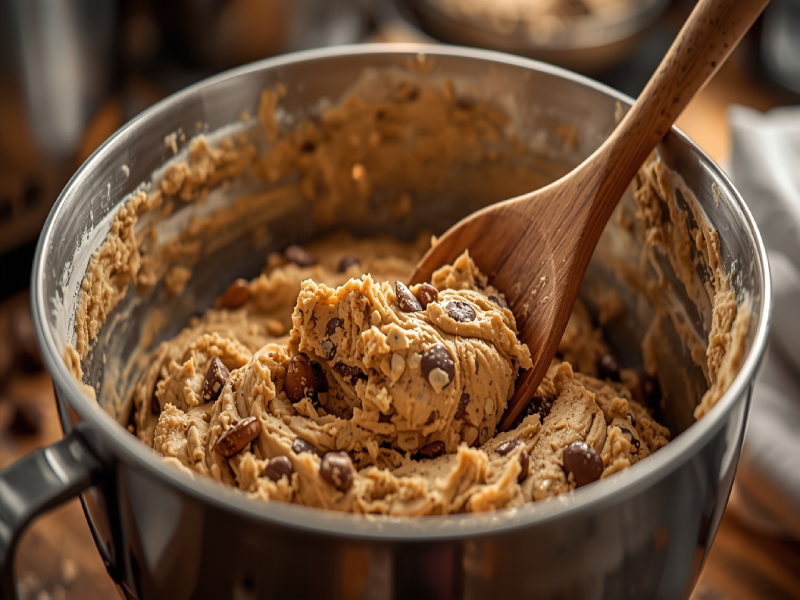
Add the dry ingredient mixture to the wet ingredients in 2-3 additions, mixing on low speed after each addition. Mix until just combined — a few streaks of flour are fine.
Visual Cues: Dough pulls away from bowl sides • No visible dry flour remains • Dough looks slightly shaggy
Chill the Dough
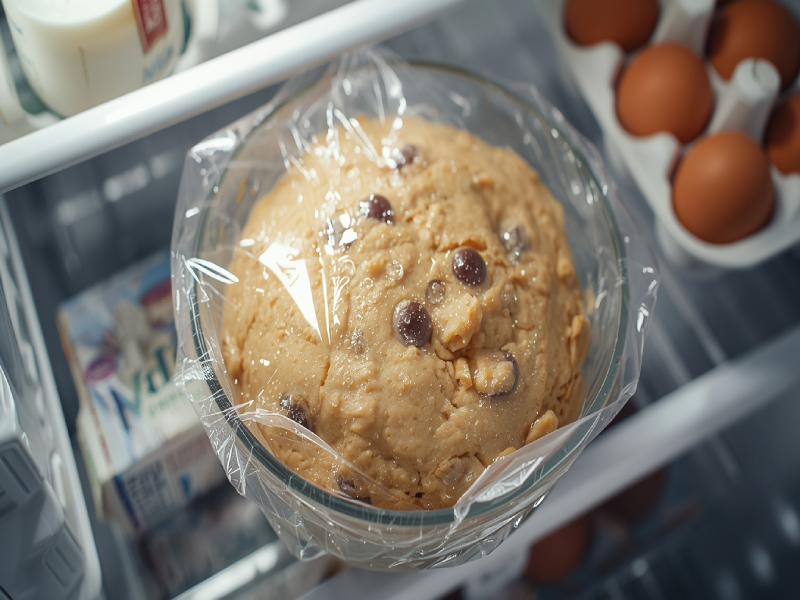
Why Chill?
- Firms Up Butter: Cold butter takes longer to melt in the oven, preventing cookies from spreading too thin.
- Develops Flavor: Resting allows flour to hydrate and flavors to meld together for deeper taste.
- Better Texture: Results in thicker, chewier cookies with crispy edges and soft centers.
Stuff with Cookie Butter
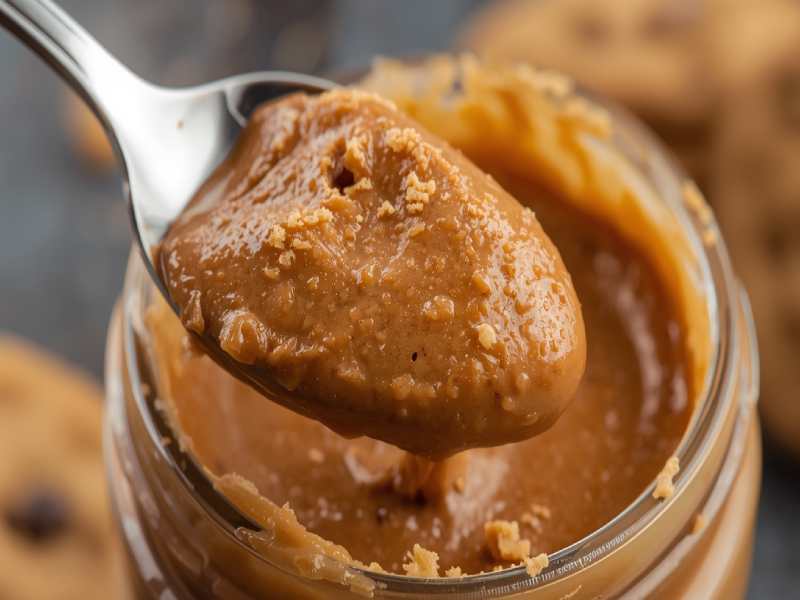
The Stuffing Technique:
- Scoop the Dough: Use a 2-tablespoon cookie scoop for uniform size.
- Create a Well: Flatten the dough slightly and make a small indentation.
- Add the Filling: Place 1 teaspoon of Biscoff in the center.
- Seal & Roll: Wrap dough around the filling and roll into a smooth ball.
That molten cookie butter center is what sets these biscoff cookie butter cookies apart from everything else.
Bake at 350°F
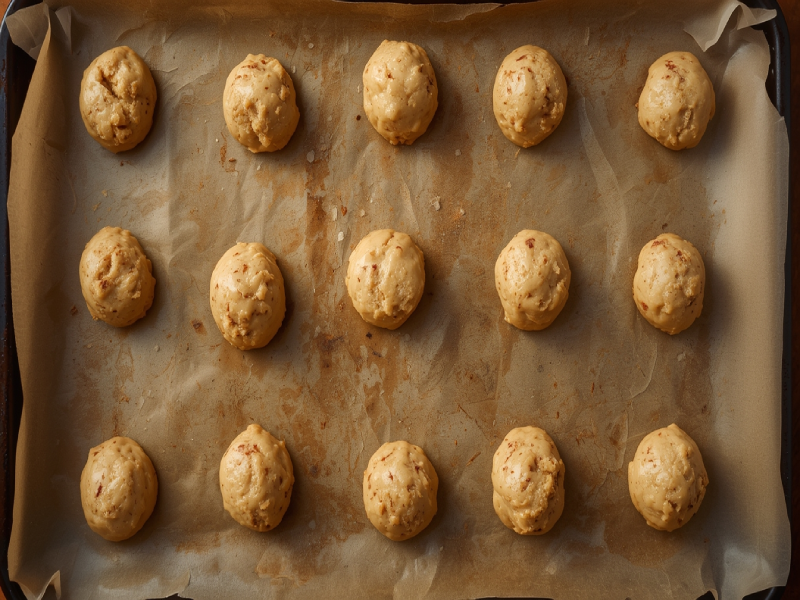
Baking Instructions:
- Line baking sheet with parchment paper
- Space dough balls 2 inches apart
- Bake until edges are golden brown
- Centers should look slightly underdone
Cool & Enjoy!
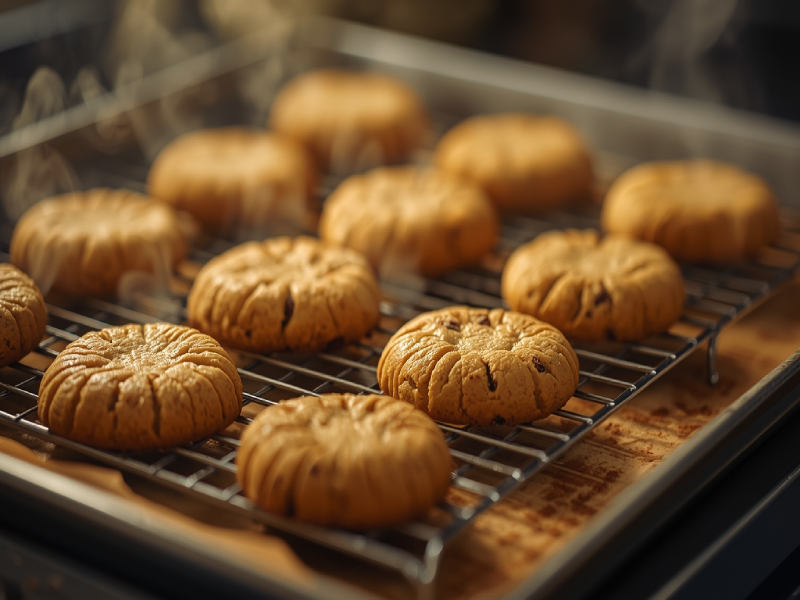
The Cooling Process:
- Rest on Pan (5 min): Let cookies cool on the baking sheet for 5 minutes. They will continue to set and firm up.
- Transfer to Rack: Move to a wire cooling rack to cool completely. This prevents overbaking from residual heat.
Break one open to reveal that gooey, molten cookie butter center.
Troubleshooting Common Issues
Running into problems with your biscoff cookie recipe? Here are solutions to the most common challenges when making biscoff cookie butter cookies:
🍪 Cookies Spread Too Much
Problem: Cookies flatten into thin pancakes.
Solution: Make sure dough is well-chilled (at least 2 hours). Check that butter was properly cooled before mixing. Use parchment paper, not greased pans.
🍪 Cookies Are Too Dry
Problem: Cookies turn out crumbly or cakey.
Solution: Do not overbake — remove when centers look slightly underdone. Measure flour correctly (spoon and level, do not pack). Check oven temperature with a thermometer.
🍪 Filling Leaks Out
Problem: Cookie butter oozes during baking.
Solution: Make sure filling is completely sealed inside dough. Do not overfill (1 tsp max). Keep dough cold before baking. Space cookies far apart.
🍪 Cookies Are Uneven
Problem: Some cookies over-bake while others are underdone.
Solution: Use a cookie scoop for uniform size. Rotate pan halfway through baking. Check oven hot spots. Bake one sheet at a time on the middle rack.
🍪 Brown Butter Burned
Problem: Butter turned black instead of golden brown.
Solution: Use a light-colored pan to see color change. Watch constantly — it browns in seconds. Remove from heat immediately when golden. Pour into a cool bowl to stop cooking.
🍪 Cookies Are Too Hard
Problem: Cookies are crunchy instead of chewy.
Solution: Reduce baking time by 1-2 minutes. Do not overbake. Store with a bread slice to add moisture. Make sure brown sugar is packed when measuring.
Expert Tips for Perfect Biscoff Cookies
Master these techniques to make the best biscoff cookie recipe with bakery-quality results every time:
Room Temperature Eggs
Cold eggs can cause butter to seize. Take eggs out 30 minutes before baking for smooth emulsification.
Measure Flour Correctly
Spoon flour into measuring cups and level off. Packing flour leads to dry, cakey cookies.
Do Not Skip Chilling
Chilling is non-negotiable for thick, chewy cookies. Plan ahead and chill for at least 2 hours.
Storage Tips
Store in an airtight container at room temperature for up to 5 days. Add a slice of bread to keep them soft.
Underbake Slightly
Pull cookies when edges are golden but centers look slightly underdone. They will finish cooking on the pan.
Freeze Cookie Dough
Stuff and freeze dough balls for up to 3 months. Bake directly from frozen, adding 1-2 minutes to bake time.
Frequently Asked Questions
Can I use regular butter instead of browning it?
Yes, but you will lose the rich, nutty flavor that makes this biscoff cookie recipe stand out. Regular softened butter will work, but brown butter adds depth that elevates these cookie butter cookies to bakery-quality.
Can I make these without the cookie butter filling?
Absolutely. Skip the stuffing step and just scoop and bake the dough balls. They will still be delicious brown butter cookies. You can also mix half a cup of cookie butter directly into the dough instead.
How long can I chill the dough?
Minimum 2 hours, but up to 72 hours (3 days) in the refrigerator. The flavor actually improves with longer chilling. Just let it sit at room temperature for 5-10 minutes if it becomes too hard to scoop.
Can I freeze these cookies?
Yes. This biscoff cookie recipe freezes very well. Freeze baked biscoff cookie butter cookies in an airtight container for up to 3 months. Or freeze unbaked stuffed dough balls on a tray, then transfer to a freezer bag. Bake from frozen, adding 1-2 minutes to bake time.
What can I substitute for Biscoff cookie butter?
Try Nutella, peanut butter, almond butter, or any nut or seed butter. A square of chocolate, caramel, or dulce de leche also works well. Each creates a different molten center.
Why are my cookies flat?
This is usually caused by warm dough or butter that was not cooled fully. Make sure the dough is well-chilled and that the brown butter cooled completely before mixing. Also check that your baking soda is fresh.
Can I make these gluten-free?
Yes. Use a 1:1 gluten-free flour blend such as Bob’s Red Mill or King Arthur Measure for Measure. Results may vary slightly in texture. Add 1 tsp xanthan gum if your blend does not include it.
How do I know when they are done?
Edges should be golden brown and set, while centers look slightly underdone and puffy. They will continue cooking on the hot pan. It is better to underbake than overbake for soft, chewy cookies.
Can I make smaller or larger cookies?
Yes. For smaller cookies, use a 1-tablespoon scoop and bake 8-10 minutes. For larger cookies, use a 3-tablespoon scoop and bake 13-15 minutes. Adjust filling amount accordingly.
Do I have to use parchment paper?
It is highly recommended. Parchment prevents sticking and promotes even browning. Silicone baking mats are a solid alternative. Avoid greasing the pan as it can cause excess spreading.
Conclusion: Your New Favorite Cookie Recipe
This biscoff cookie recipe with molten cookie butter centers is a standout treat for any cookie lover. The combination of brown butter, warm cinnamon, and that surprise gooey filling creates bakery-quality biscoff cookies that will impress everyone who tries them.
Whether you are baking for a special occasion or just satisfying a sweet craving, this biscoff cookies recipe delivers consistent, delicious results every time. The step-by-step instructions make this biscoff cookie butter recipe accessible for bakers of all skill levels, while the pro tips ensure you achieve that perfect balance of crispy edges and soft, chewy centers.
Remember, the key to making the best cookie butter cookies is patience — do not skip the chilling step. Your patience will be rewarded with deep flavor and excellent texture. Plus, with the troubleshooting guide and FAQ section, you are fully equipped to handle any baking challenges that come your way.
Ready to Bake This Biscoff Cookie Recipe?
Save this biscoff cookie recipe for later and get baking! Share your cookie creations and let us know how they turned out.
The Perfect Biscoff Cookie: Crispy Edges • Soft Center • Molten Filling
🍪 Happy Baking! 🍪