Easy Gooseberry Pie Recipe | Old Fashioned & Blue Goose Pie
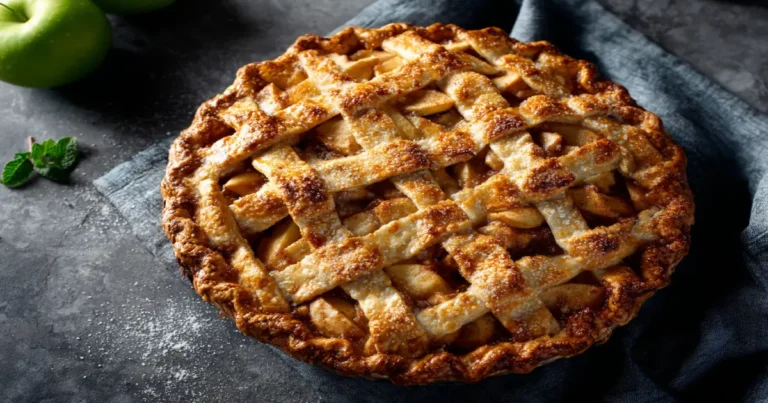
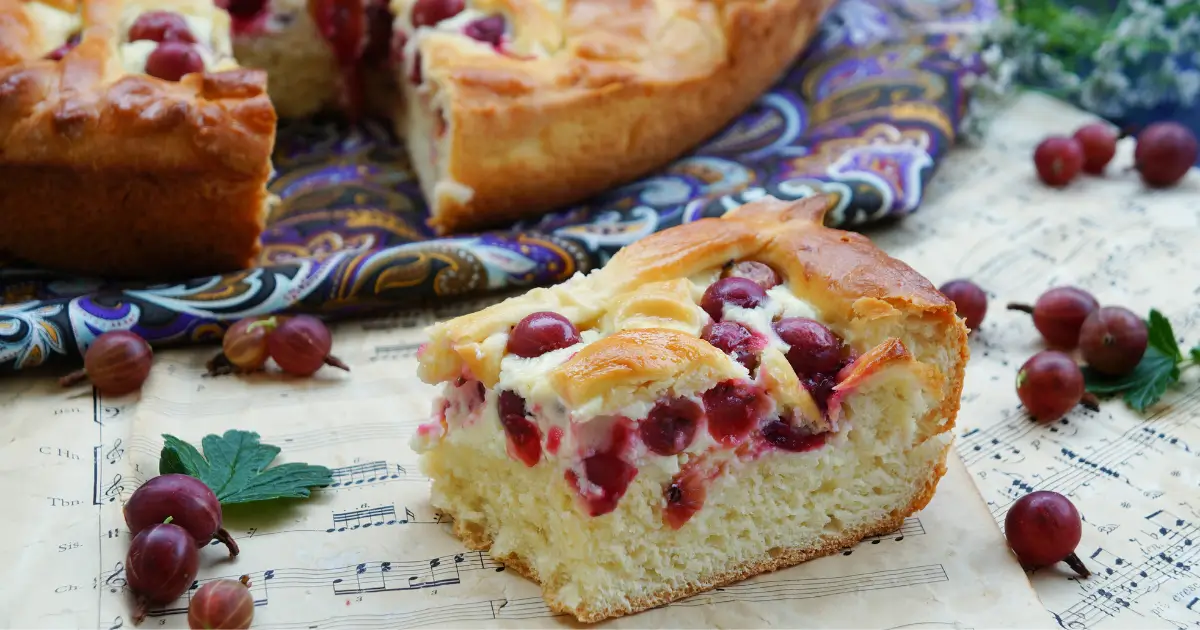
This easy gooseberry pie recipe delivers the best sweet-tart filling you will ever taste — exactly like grandma used to make. Whether you call it a gooseberry pie, old fashioned gooseberry pie, or blue goose pie, this guide covers every variation with tips to guarantee a perfect result every single time.

📋 In This Guide
- What Is Gooseberry Pie?
- What Does Gooseberry Pie Taste Like?
- Old Fashioned Gooseberry Pie
- What Is Blue Goose Pie?
- Gooseberry Custard Pie
- Cape Gooseberry vs Regular Gooseberry
- Where to Find Gooseberries
- How to Prepare Gooseberries
- Crafting the Perfect Gooseberry Pie Filling
- Pie Crust Options
- How to Bake Gooseberry Pie
- Serving and Storing
- Variations Worth Trying
- Easy Gooseberry Pie Recipe (Full Recipe Card)
- FAQ
What Is Gooseberry Pie?
Gooseberry pie is a classic old-fashioned American and British dessert made from gooseberries baked inside a buttery flaky pie crust. The gooseberry pie filling combines the naturally tart flavor of gooseberries with sugar to create a perfectly balanced sweet and tangy taste that is unlike any other fruit pie.
The pie has deep roots in European and American culinary history, often passed down through generations as a family recipe. Its flavor profile — simultaneously sweet, tart, and juicy — is what makes it so memorable and so different from more common pies like apple or cherry.
Quick Answer: Gooseberry pie is a two-crust fruit pie filled with cooked gooseberries sweetened with sugar. It is tart, jammy, old-fashioned, and absolutely delicious. Think of it as a more complex, tangier version of apple pie.
What Does Gooseberry Pie Taste Like?
Gooseberry pie tastes like a perfect balance between sweet and tart. The flavor is often compared to a mix of grape, kiwi, and a hint of citrus — familiar enough to be comforting but distinctive enough to be completely memorable.
When unripe and green, gooseberries are quite tart, similar to rhubarb but with their own profile. As they ripen, they develop natural sweetness while keeping their characteristic tang. The sugar in the filling softens this tartness into something genuinely satisfying.
The Taste
Sweet, tangy, slightly jammy. Similar to a tart grape or kiwi with citrus notes. Never bland — always full of flavor.
The Texture
Soft, jammy filling that holds its shape when sliced. Surrounded by a flaky, buttery crust that crumbles perfectly.
The Experience
Nostalgic, warming, old-fashioned. Every bite connects you to generations of bakers who made this same recipe.
Old Fashioned Gooseberry Pie: How Grandma Made It
Old fashioned gooseberry pie is the original version of this recipe — simple ingredients, no shortcuts, pure flavor. The traditional baker did not use store-bought crust or fancy thickeners. Fresh berries from the garden, sugar, eggs, flour, and butter were all that was needed.
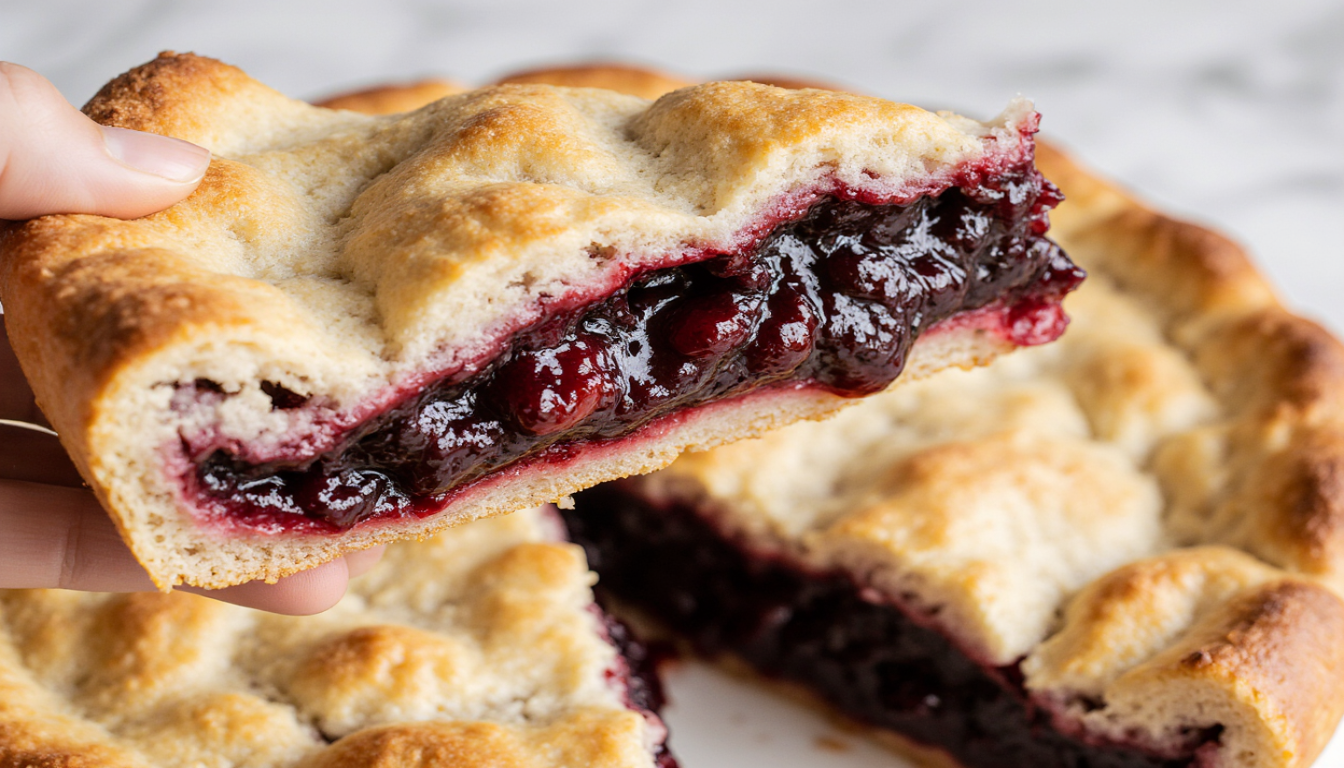
What makes the old fashioned gooseberry pie version special:
- No artificial thickeners — egg yolks and a little flour do the job naturally
- Hand-crimped crust — no pie molds, just fingers and patience
- Fresh or home-preserved berries — picked from backyard bushes in June and July
- Baked in cast iron — many traditional bakers swore by a cast iron skillet for even heat distribution
- Served warm with cream — not ice cream, just fresh poured cream or custard
When my mom took her first bite, she said it was the best gooseberry pie she had ever had. The taste immediately transported her back to her own mother's kitchen and summers spent picking berries from the bushes at the edge of the garden.
The key difference between old fashioned gooseberry pie and modern versions is restraint. Less sugar lets the tartness come through. A simple double crust instead of a lattice keeps the filling steamy and moist. And patience — cooling the pie fully before cutting makes every slice perfect.
What Is Blue Goose Pie? (Gooseberry + Blueberry)
Blue goose pie is a popular variation that combines gooseberries with blueberries. The name comes from blending "blueberry" and "gooseberry" — and the result is a deep purple filling with a complex sweet-tart flavor that is even more interesting than a classic gooseberry pie alone.
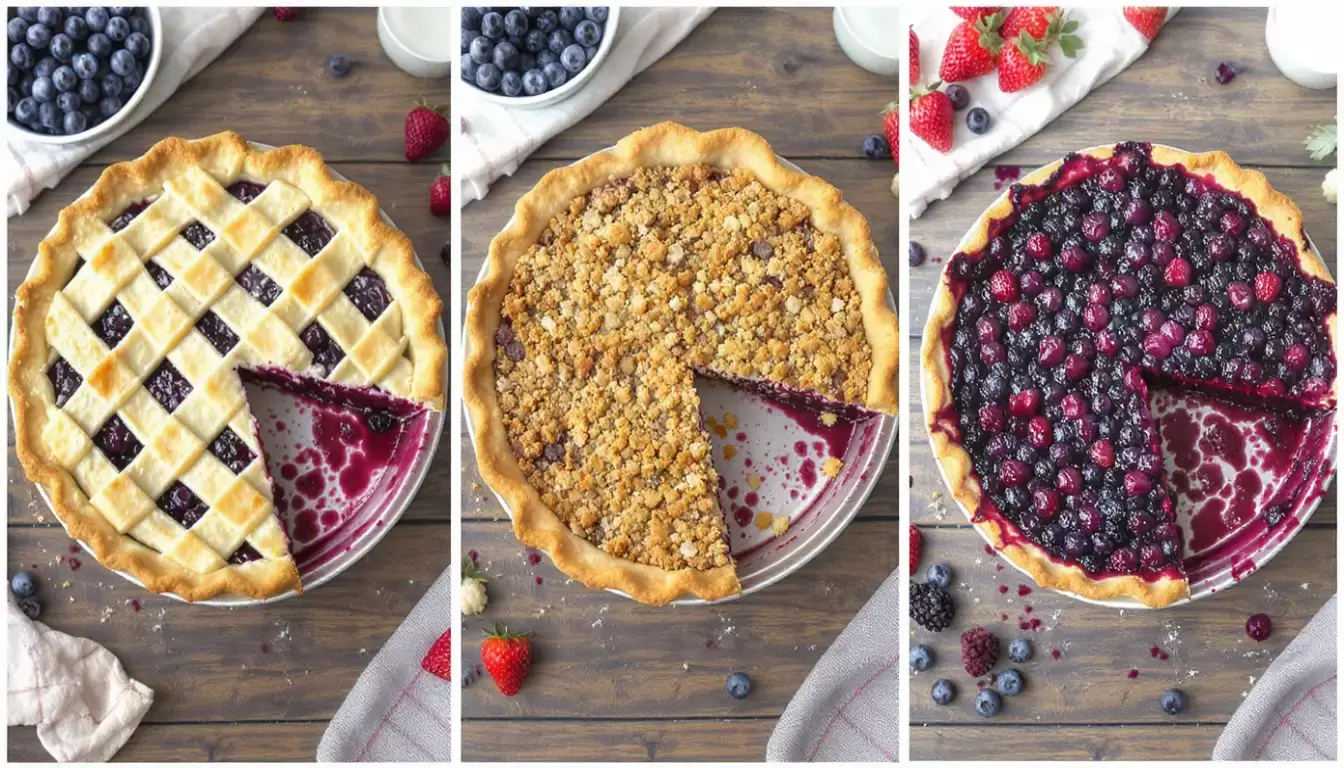
Blue Goose Pie Ratio: Use a 2:1 ratio of gooseberries to blueberries. For a standard 9-inch pie, that means 2 cups of gooseberries and 1 cup of blueberries. Adjust sugar to taste — blueberries are sweeter than gooseberries so you may reduce sugar by 2–3 tablespoons.
Why Blue Goose Pie Works So Well
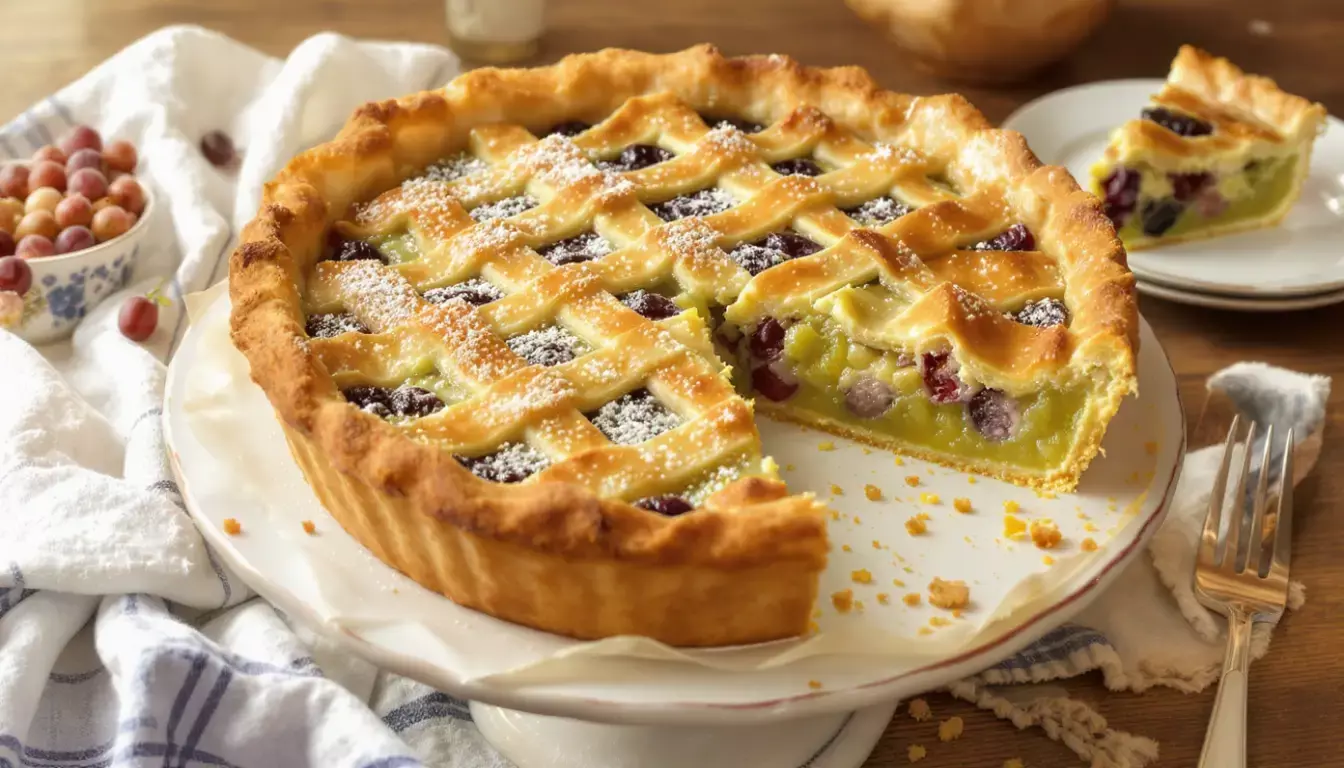
The tartness of gooseberries and the sweetness of blueberries are a natural balance. Blueberries also add a natural thickening quality that makes the blue goose pie filling set beautifully. The color is striking — a deep jewel-toned purple that looks impressive through a lattice crust.
- Gooseberries bring tartness and structure to the filling
- Blueberries add natural sweetness and a gorgeous color
- The combined flavor is more complex and interesting than either berry alone
- The filling sets firmer than pure gooseberry, making cleaner slices
Gooseberry Custard Pie: A Creamy Variation
Gooseberry custard pie takes the classic gooseberry pie recipe one step further by folding the gooseberry filling into a rich egg custard base. Instead of a jammy fruit filling, you get a smooth, creamy set custard with gooseberry flavor running through every bite.
To make gooseberry custard pie, simply increase the egg yolks from 2 to 4, add half a cup of cream, and reduce the flour to 1 tablespoon. The result is a silky, rich filling that is closer to a tart than a traditional fruit pie — refined, impressive, and very good.
Cape Gooseberry Pie vs Regular Gooseberry Pie
Cape gooseberry pie and regular gooseberry pie are made from completely different fruits. Cape gooseberries (also called physalis or golden berries) are small orange berries that come in a papery husk. They are related to tomatillos — not to true gooseberries at all.
Regular Gooseberry Pie
- Made from green, red, or purple gooseberries
- Tart and tangy flavor, similar to rhubarb
- Grows on thorny bushes in cool climates
- Traditional in American and British baking
- This recipe uses regular gooseberries
Cape Gooseberry Pie
- Made from physalis / golden berries
- Sweeter, more tropical flavor
- Comes in a papery husk when harvested
- Common in South African and South American cooking
- Requires different sugar ratios
Where to Find Gooseberries for Your Pie
Finding gooseberries can be a treasure hunt, but that is part of what makes this pie so special. Gooseberries thrive in the central and northern regions of the US and across the UK and Europe. Availability depends heavily on your location and the time of year.
- Local farmers markets during late spring and summer (June–July is peak season)
- Pick-your-own berry farms — call ahead to confirm they grow gooseberries
- Specialty grocery stores with extensive produce sections
- Dutch or European markets, which carry them due to their popularity in European cuisine
- Online specialty food retailers who ship frozen gooseberries year-round
Fresh, Frozen, or Canned Gooseberries: What Works Best?
Fresh Gooseberries
Best flavor. Available June–July. Look for firm berries with bright color and no wrinkles. Requires topping and tailing before use.
Frozen Gooseberries
Excellent substitute. Thaw completely and pat dry before using to remove excess moisture. Available year-round at specialty grocers.
Canned Gooseberries
Oregon brand is the most reliable. Rinse well to remove syrup, pat dry, and reduce added sugar slightly. Still makes a great pie.
How to Prepare Gooseberries for Pie: The Tops and Tails Method
Before using gooseberries in your pie, you need to prepare them using the traditional "tops and tails" method. This simply means removing the small stem end (the "top") and the dried flower remnant (the "tail") from each berry.
It takes about 15 minutes for a pint of berries and is actually quite relaxing work. You can use:
- Your fingernails to gently pinch off each end — the fastest method
- A small paring knife for precision and clean cuts
- Kitchen scissors for a quick snip on each end
Do not worry about being too precise. Just make sure you remove the tough stem and the dried flower remnant from each berry. These prevent any unwanted tough bits in your finished pie.
Crafting the Perfect Gooseberry Pie Filling
The heart of any great gooseberry pie is its filling — that perfect balance of sweet and tart flavors in a juicy yet sliceable consistency. Getting the gooseberry pie filling right is the single most important step in making this recipe.
How Much Sugar for Gooseberry Pie?
Because gooseberries are naturally tart, especially green varieties, sugar plays an important role. This recipe uses 1 cup of sugar, which creates a pleasantly tart-sweet filling that lets the gooseberry flavor shine through.
Sugar Adjustment Guide: Using riper, sweeter berries? Reduce to ¾ cup. Prefer a sweeter pie or have very tart berries? Increase to 1¼ cups. Using canned berries packed in syrup? Reduce to ½ cup and taste before adding more.
Best Thickener for Gooseberry Pie Filling
Gooseberries have a natural enzyme that can prevent some starches from thickening properly. This is why traditional recipes use egg yolks as a thickener — they work reliably with gooseberries every time.
- Egg yolks (recommended): Natural, traditional, adds richness. Use 2 yolks as in this recipe
- Tapioca starch: Best starch alternative — unaffected by the gooseberry enzyme. Use 3 tablespoons
- Cornstarch: Works but needs more. Mix 1 tablespoon into 3 tablespoons cold water, rest 5 minutes before adding
- Flour: Traditional option. Use 2 tablespoons but expect a slightly cloudier filling
Pie Crust Options for Gooseberry Pie
Store-Bought Convenience
Pre-made crusts work well and many skilled bakers focus their energy on the filling. If using frozen crusts, keep the bottom crust frozen until filling. For the top crust, let it thaw just enough to be pliable before adding.
Homemade All-Butter Crust
For a flaky homemade crust: 2¼ cups flour, 1 cup very cold diced butter, a pinch each of sugar and salt, ½ cup ice water. Mix dry ingredients, cut in butter until sandy, add water just until the dough forms. Chill 30 minutes before rolling.
Whether you choose homemade or store-bought, consider using a lattice top for your gooseberry pie. The open design allows steam to escape and creates a beautiful presentation that showcases the filling's deep color.
How to Bake Gooseberry Pie to Golden Perfection

- Preheat oven to 350°F (175°C).
- Prepare your gooseberry pie filling by combining gooseberries, sugar, your chosen thickener, and any additional flavorings in a saucepan as described above.
- Pour the filling into your bottom crust. If using a store-bought frozen crust, no need to thaw it first.
- Dot the top of the filling with small pieces of butter (about 1–2 tablespoons total) before adding the top crust.
- Add your top crust — either full with slits for venting or a lattice pattern.
- Crimp the edges firmly to seal the top and bottom crusts together.
- Brush the top crust with egg white and sprinkle generously with sugar.
- Cover the edges with a pie crust shield or strips of aluminum foil to prevent over-browning.
- Bake for 20–25 minutes with foil on, then remove the foil and continue baking for 15–25 minutes until the crust is golden brown and the filling is visibly bubbling.
- Cool completely — at least 20 minutes, preferably 2 hours — before slicing to let the filling set properly.
Important Cooling Note: The cooling period is key. Gooseberry pie needs time to set. If cut too soon, the filling will be runny. For perfect slices, allow at least 20 minutes of cooling — several hours is even better if you can wait.
Serving and Storing Gooseberry Pie
Best Pairings
- A scoop of vanilla ice cream — the classic choice
- Freshly whipped cream
- A drizzle of warm custard sauce
- A slice of sharp cheddar cheese — an old-fashioned pairing that works surprisingly well
Storage Tips
- Room temperature, covered: up to 2 days
- Refrigerated, covered: up to 4 days
- Frozen (wrapped slices): up to 3 months
- Reheat individual slices in microwave for 15–20 seconds before serving
Gooseberry Pie Variations Worth Trying
Blue Goose Pie
Gooseberries + blueberries in a 2:1 ratio. Deep purple color, complex sweet-tart flavor. Reduce sugar by 2–3 tablespoons. The most popular variation by far.
Gooseberry Custard Pie
Replace flour with cream and extra egg yolks for a custard filling. Rich and refined. Perfect for dinner parties and special occasions.
Gooseberry Crumble Pie
Skip the top crust. Replace with a streusel topping of butter, flour, sugar, and cinnamon. A welcome crunch on top of the jammy filling below.
Gooseberry-Strawberry Pie
The sweetness of strawberries perfectly balances the tartness of gooseberries. Creates a striking ruby-red filling. Use equal parts of each fruit.
Elderflower Gooseberry Pie
Add 1 tablespoon of elderflower cordial to the filling. A classic British pairing that adds a delicate floral note that complements the tart berries beautifully.
Spiced Gooseberry Pie
Add a pinch of nutmeg, a teaspoon of grated ginger, and the zest of half a lemon. Warming, complex, and perfect for autumn baking.
Easy Gooseberry Pie Recipe
Prep Time: 25 minutes | Cook Time: 50 minutes | Total Time: 1 hour 15 minutes
Servings: 8 slices | Cuisine: American / British
Ingredients
- 2 pre-made pie crusts (or homemade equivalent)
- 1 pint (about 2 cups) fresh gooseberries, topped and tailed
- ½ cup water
- 1 cup sugar (adjust to taste)
- 2 tablespoons flour
- 1 tablespoon butter
- 2 egg yolks
- 2 egg whites (for brushing the crust)
- ¼ cup sugar (for sprinkling on top)
Instructions
- Preheat oven to 350°F (175°C).
- In a medium saucepan, add gooseberries and water. Simmer for 2–3 minutes over medium heat. Drain most of the excess water, then return to the burner.
- Add sugar, butter, and flour to the gooseberries. Continue to simmer and stir until combined and slightly thickened.
- Beat egg yolks in a small bowl. Slowly pour into the saucepan while stirring constantly. Cook on medium-low heat until the mixture thickens visibly.
- Pour the hot filling into the bottom pie crust.
- Add the top crust. Cut slits for venting or create a lattice pattern. Trim excess dough and crimp edges firmly to seal.
- Brush the top crust with egg whites and sprinkle generously with sugar.
- Cover the pie edges with foil or a pie crust shield to prevent over-browning.
- Bake for 20–25 minutes, then remove the foil and bake for another 15–25 minutes until the crust is golden brown and the filling is bubbling.
- Remove from oven and cool on a wire rack for at least 20 minutes before serving.
Recipe Notes
- Canned gooseberries: Rinse off syrup, pat dry, reduce added sugar to ¾ cup
- Frozen gooseberries: Thaw completely and pat dry to remove excess moisture before using
- Blue goose pie variation: Replace 1 cup of gooseberries with 1 cup of blueberries and reduce sugar by 2 tablespoons
- Egg-free option: Replace egg yolks with 3 tablespoons tapioca starch — works reliably with gooseberries
- Old fashioned version: Reduce sugar to ¾ cup and bake in a cast iron skillet for authentic texture
Nutrition (Per Slice)
Calories: 175kcal | Carbohydrates: 37g | Protein: 2g | Fat: 3g | Saturated Fat: 1g | Cholesterol: 50mg | Sodium: 28mg | Fiber: 2g | Sugar: 31g
Frequently Asked Questions About Gooseberry Pie
What does gooseberry pie taste like?
Gooseberry pie tastes sweet and tart at the same time — similar to a tangy grape or kiwi with a hint of citrus. The filling is jammy and smooth, surrounded by a buttery flaky crust. The tartness of the gooseberries is balanced by sugar to create a complex, memorable flavor that is unlike any other fruit pie.
What is blue goose pie?
Blue goose pie is a gooseberry pie variation that combines gooseberries with blueberries. The name blends both berry names together. The ideal ratio is 2 cups gooseberries to 1 cup blueberries. The blueberries add sweetness and a deep purple color to the filling while the gooseberries bring their signature tartness.
What is old fashioned gooseberry pie?
Old fashioned gooseberry pie is the traditional version of this recipe made with simple ingredients — fresh berries, sugar, flour, eggs, and butter — with no shortcuts or artificial thickeners. It is typically baked in a cast iron skillet, uses slightly less sugar to let the tartness come through, and is served with fresh cream rather than ice cream.
Are cape gooseberries the same as regular gooseberries?
No. Cape gooseberries (physalis or golden berries) are a completely different fruit. They are small orange berries that come in a papery husk and are related to tomatillos. Regular gooseberries are larger, green to red or purple, and grow on thorny bushes. This recipe uses regular gooseberries, not cape gooseberries.
Why is my gooseberry pie filling runny?
Runny gooseberry pie filling is usually caused by one of three issues: (1) The pie was not cooled long enough before cutting — always wait at least 20 minutes, (2) not enough thickener was used, or (3) the gooseberries' natural enzyme broke down the cornstarch. Switch to tapioca starch or egg yolks as thickeners — both work reliably with gooseberries.
Can I use canned gooseberries for pie?
Yes. Canned gooseberries work well for pie. Rinse them thoroughly to remove the syrup, pat them dry with paper towels, and reduce the added sugar in the recipe to about ¾ cup since they are already sweetened. Oregon brand canned gooseberries are the most reliable and widely available option.
Can I freeze gooseberry pie?
Yes. You can freeze either unbaked or baked gooseberry pies for up to 3 months. For unbaked pies, freeze solid then wrap well and bake directly from frozen, adding 15–20 minutes to the baking time. For baked pies, cool completely, wrap tightly, and freeze. Thaw overnight in the refrigerator before serving.
Can I substitute rhubarb for gooseberries?
Yes. Rhubarb is the closest substitute for gooseberries since both have a similar tart profile. Use the same amount of chopped rhubarb as gooseberries. You may want to increase the sugar slightly since rhubarb can be even more tart than gooseberries.
A Slice of Nostalgia in Every Bite
There is something special about the first bite of gooseberry pie — that perfect balance of sweet and tart, the flaky buttery crust, and the memories it brings back. Whether you make the classic old fashioned gooseberry pie, experiment with a blue goose pie, or try the creamy custard variation, this easy gooseberry pie recipe connects you to generations of bakers who made this exact pie before you.
Enjoyed This Gooseberry Pie Recipe?
Check out more dessert recipes, baking tips, and exclusive content on the blog.
Explore More RecipesHappy baking — may your gooseberry pie bring as much joy as it has brought to generations of pie lovers before you!