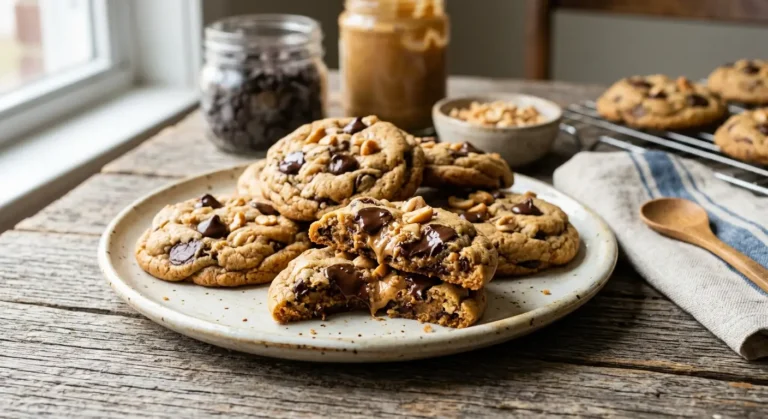
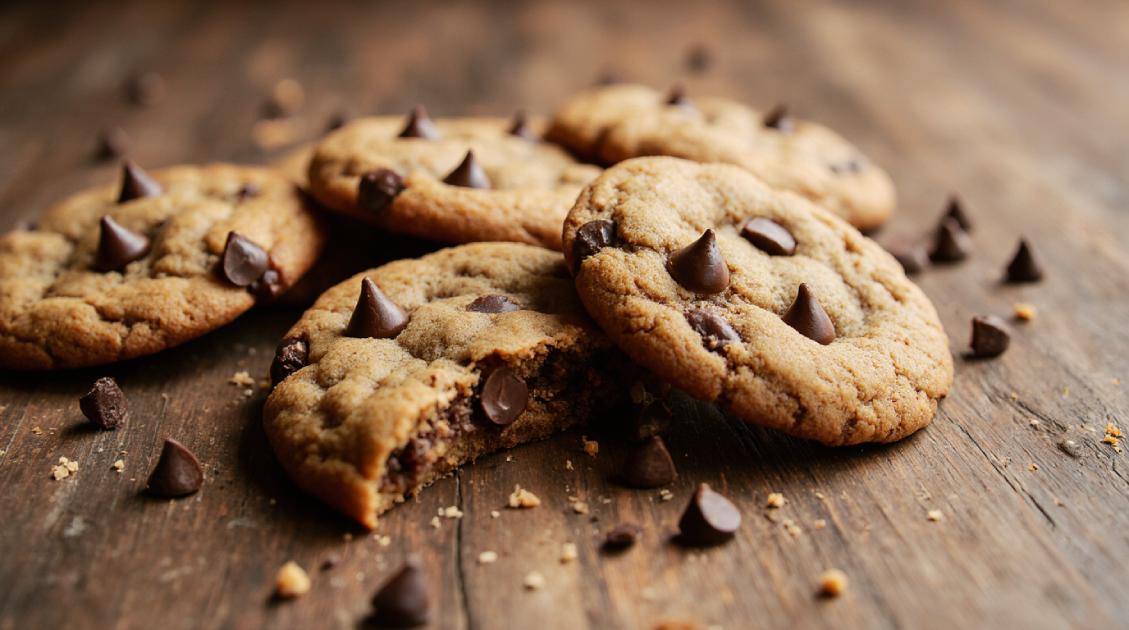
Eggless Cookies: Best Recipes Without Eggs (10 Variations That Actually Work)
Whether you have an egg allergy, follow a vegan diet, or simply ran out of eggs mid-bake, making eggless cookies is entirely possible — and the results are genuinely delicious. This guide covers the best eggless cookie recipes across multiple varieties: chocolate chip, sugar cookies, peanut butter, and oatmeal, along with every egg substitute tested and explained, and full troubleshooting for common problems.
What You Will Find in This Guide
Eggless chocolate chip cookies · Eggless sugar cookies · Eggless peanut butter cookies · Eggless oatmeal cookies · Cookies without eggs and butter · 8 tested egg substitutes · Troubleshooting section · Answers to the most searched questions about baking cookies without eggs
Can You Make Cookies Without Eggs?

Yes — cookies can absolutely be made without eggs. Eggs in traditional cookie recipes serve three functions: they bind the dough, add moisture, and help the cookie hold its shape. When you remove them, you replace those functions with another ingredient.
The result depends on which substitute you use. Some produce cookies nearly identical to the original. Others create a slightly softer or denser texture. The key is matching the right substitute to the right type of cookie.
What Eggs Do in Cookies
- Binding — Holds all ingredients together so the cookie does not crumble
- Moisture — Keeps the interior soft and chewy rather than dry
- Structure — Helps the cookie keep its shape while baking and after cooling
- Leavening — Adds a small amount of lift, especially the egg white
What Happens If You Make Cookies Without Eggs
- With no substitute at all — Cookies will crumble, spread flat, and be very dry
- With a proper substitute — Cookies hold together well, stay moist, and taste excellent
- Texture shift — May be slightly softer or denser depending on the substitute used
- Safe raw dough — One benefit of eggless dough is that it is safe to taste before baking
8 Tested Egg Substitutes for Cookies
1. Heavy Cream
Ratio: 3 tablespoons = 1 egg
Texture: Chewy centers, crisp edges — closest to traditional
Best for: Chocolate chip, peanut butter, sugar cookies
Tip: Use full-fat heavy cream for best results
2. Yogurt
Ratio: ¼ cup plain yogurt = 1 egg
Texture: Soft, tender, slight tang
Best for: Soft cookies and oatmeal cookies
Tip: Greek yogurt creates denser cookies; regular yogurt creates softer ones
3. Flax Egg
Ratio: 1 tbsp ground flaxseed + 3 tbsp water = 1 egg
Texture: Slightly dense with subtle nutty flavor
Best for: Vegan baking across all cookie types
Tip: Let mixture sit 5–10 minutes until gel-like before adding to dough
4. Applesauce
Ratio: 3 tablespoons = 1 egg
Texture: Soft, cake-like, slightly more spread
Best for: Oatmeal cookies, spiced cookies
Tip: Use unsweetened applesauce and reduce sugar by 1–2 tablespoons
5. Mashed Banana
Ratio: ¼ cup mashed ripe banana = 1 egg
Texture: Moist, soft, adds banana flavor
Best for: Oatmeal and chocolate cookies
Tip: Works best with complementary flavors like chocolate, nuts, or cinnamon
6. Aquafaba
Ratio: 3 tablespoons = 1 egg
Texture: Light with good structure, neutral flavor
Best for: Vegan cookies where you want neutral flavor
Tip: Use liquid from canned chickpeas — no whipping needed for cookies
7. Silken Tofu
Ratio: ¼ cup pureed silken tofu = 1 egg
Texture: Dense, moist, neutral flavor
Best for: Adding protein while maintaining moisture
Tip: Blend thoroughly before adding to avoid lumps in the dough
8. Commercial Egg Replacer
Ratio: Follow package instructions
Texture: Consistent and closest to traditional
Best for: Convenience and reliability across all recipes
Tip: Ener-G and Bob’s Red Mill work well for cookies
| Substitute | Best Texture | Vegan? | Flavor Impact |
|---|---|---|---|
| Heavy Cream | Chewy & crispy edges | No | None |
| Yogurt | Soft & tender | No (use coconut yogurt for vegan) | Slight tang |
| Flax Egg | Dense & sturdy | Yes | Subtle nutty |
| Applesauce | Soft & cake-like | Yes | Slight sweetness |
| Mashed Banana | Moist & soft | Yes | Banana flavor |
| Aquafaba | Light & structured | Yes | None |
| Silken Tofu | Dense & moist | Yes | None |
| Egg Replacer | Most traditional | Yes | None |
Eggless Chocolate Chip Cookies Recipe
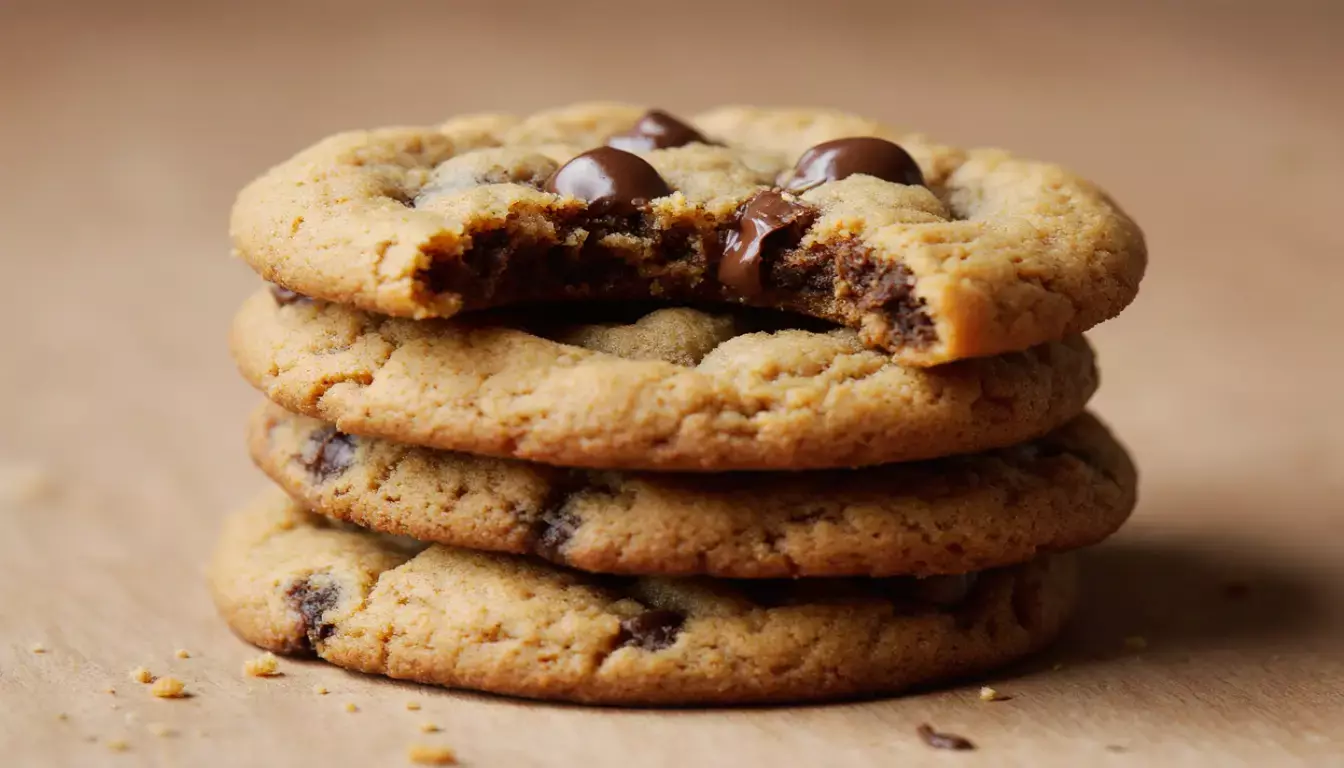
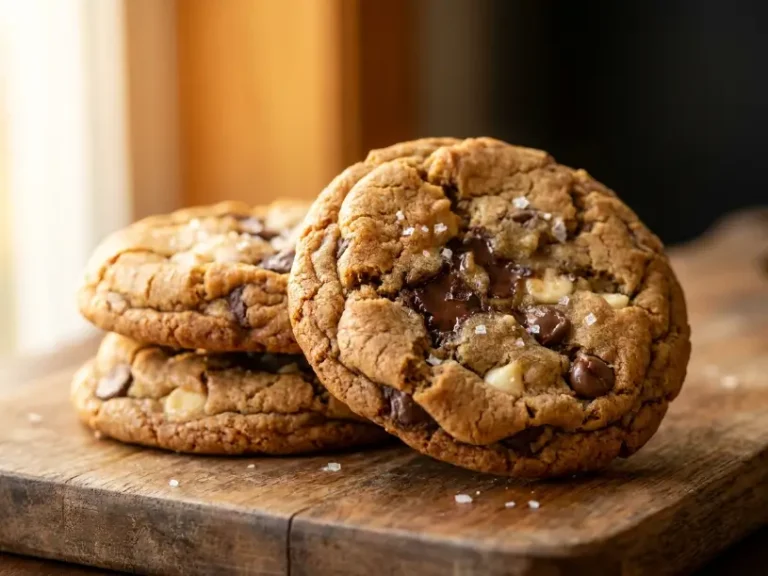
This is the most popular eggless cookie recipe. Heavy cream is used as the egg substitute here because it produces cookies with the most traditional texture: crispy edges, chewy centers, and a buttery flavor that is indistinguishable from standard chocolate chip cookies.
Ingredients
- 1 cup (226g) salted butter, softened at room temperature
- ¾ cup (150g) brown sugar, packed
- ½ cup (100g) granulated sugar
- 1½ teaspoons vanilla extract
- 3 tablespoons heavy cream (egg substitute)
- 2¼ cups (280g) all-purpose flour, spooned and leveled
- 1 teaspoon baking soda
- ½ teaspoon salt
- 1½ cups (270g) chocolate chips
Baker’s Notes
Measure flour by spooning it into the measuring cup and leveling with a knife — scooping directly from the bag packs in too much flour and creates dry cookies.
Butter should be soft enough to leave a finger indentation when pressed, but not melted or greasy. Room temperature is essential for proper creaming.
Instructions
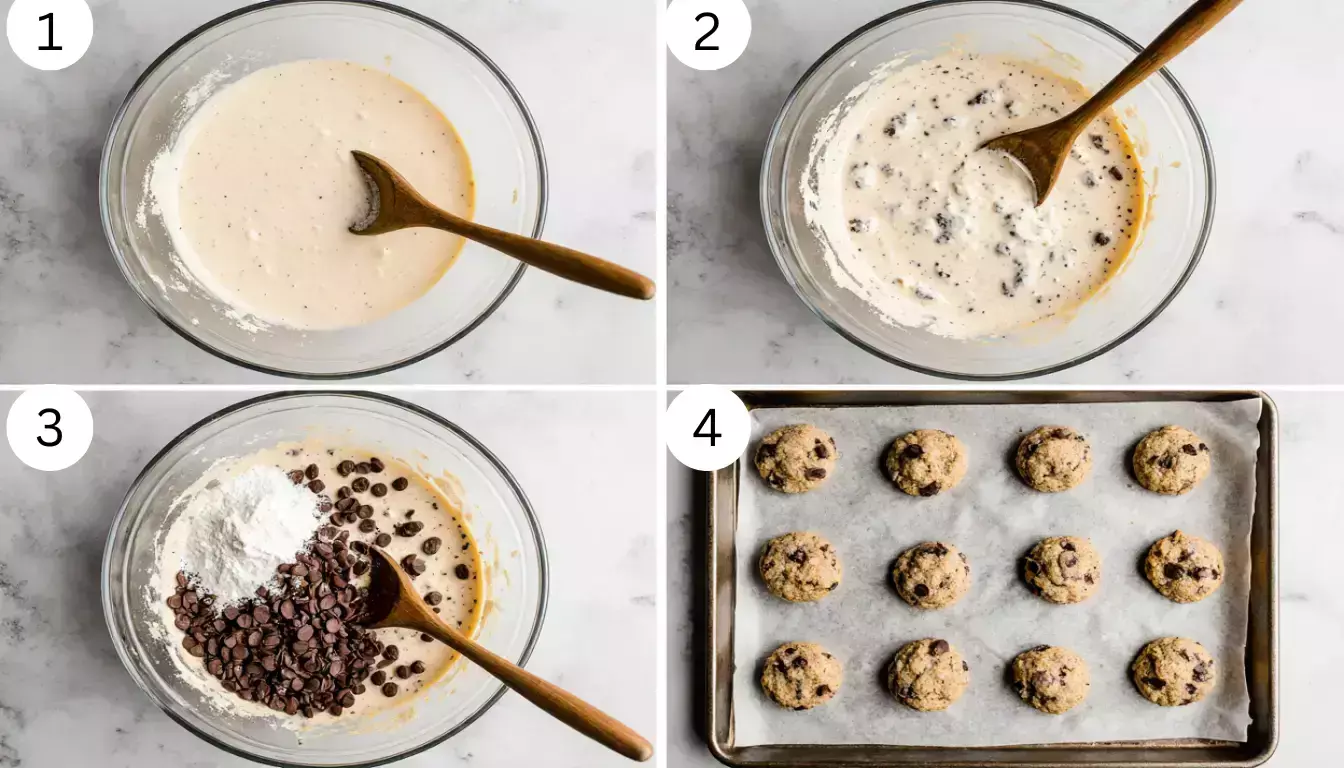
- Prepare: Preheat oven to 350°F (175°C). Line two baking sheets with parchment paper.
- Cream butter and sugars: Beat softened butter, brown sugar, and granulated sugar together until light and fluffy, about 2–3 minutes.
- Add wet ingredients: Mix in vanilla extract and heavy cream until well combined.
- Combine dry ingredients: In a separate bowl, whisk together flour, baking soda, and salt.
- Form dough: Gradually add dry ingredients to wet mixture until just combined. Fold in chocolate chips.
- Shape: Scoop dough into balls (about 2 tablespoons each) and place 2 inches apart on baking sheets.
- Bake: Bake 10–12 minutes until edges are golden but centers still look slightly underdone.
- Cool: Let cookies rest on the baking sheet 5 minutes before moving to a wire rack.
Nutrition Information (Per Cookie)
| Nutrient | Amount |
|---|---|
| Calories | 145 kcal |
| Total Fat | 8g |
| Saturated Fat | 5g |
| Carbohydrates | 18g |
| Sugar | 11g |
| Protein | 1g |
| Sodium | 95mg |
Most Important Tip for Eggless Chocolate Chip Cookies
Remove cookies from the oven when the edges are set but the centers still look underdone. They continue cooking on the hot baking sheet and will set perfectly as they cool. Overbaking is the most common mistake with eggless cookies.
Eggless Sugar Cookies Recipe
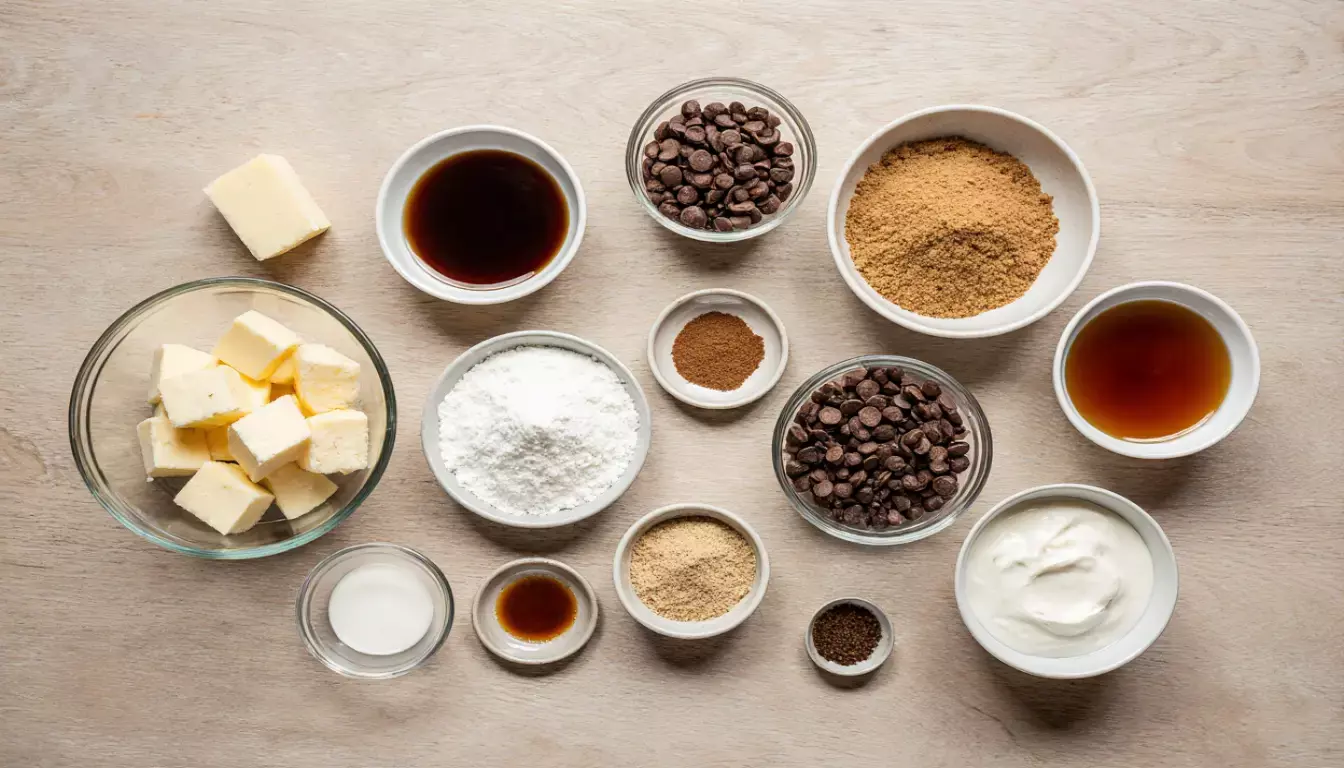
Sugar cookies without eggs hold their shape well for cutting and decorating. Yogurt is the ideal egg substitute here — it provides enough binding to keep the dough firm and the edges defined after baking.
Ingredients
- 1 cup (226g) butter, softened
- 1 cup (200g) granulated sugar
- ¼ cup plain yogurt (egg substitute)
- 1 teaspoon vanilla extract
- ½ teaspoon almond extract (optional)
- 2½ cups (312g) all-purpose flour
- 1 teaspoon baking powder
- ¼ teaspoon salt
Instructions
- Beat butter and sugar together until fluffy, about 3 minutes.
- Mix in yogurt and extracts until smooth.
- Whisk flour, baking powder, and salt in a separate bowl.
- Gradually combine dry into wet until a firm dough forms.
- Chill dough 30 minutes before rolling.
- Roll to ¼ inch thickness. Cut into shapes.
- Bake at 375°F (190°C) for 8–10 minutes until edges are just set.
- Cool completely before decorating or frosting.
Eggless Peanut Butter Cookies Recipe
Peanut butter cookies are one of the easiest cookies to make without eggs. The natural oils and thick consistency of peanut butter provide much of the binding on their own, which means the egg substitute needs to do less work. These cookies come out soft, dense, and deeply flavored.
Ingredients
- 1 cup (258g) peanut butter, creamy or crunchy
- ¾ cup (150g) granulated sugar
- ¼ cup (50g) brown sugar
- 3 tablespoons heavy cream (egg substitute)
- 1 teaspoon vanilla extract
- ½ teaspoon baking soda
- ¼ teaspoon salt
Instructions
- Preheat oven to 350°F (175°C). Line baking sheet with parchment.
- Mix peanut butter, sugars, cream, and vanilla until well combined.
- Stir in baking soda and salt.
- Roll dough into 1-inch balls and place on prepared sheet.
- Flatten with a fork in a crosshatch pattern.
- Bake 10–12 minutes until edges are set.
- Cool 5 minutes on the sheet — they firm up significantly as they cool.
Note on Natural Peanut Butter
Natural peanut butter (the separated, oil-on-top type) can cause these cookies to crumble. Regular commercial peanut butter such as Jif or Skippy works best for consistent binding in eggless recipes.
Eggless Oatmeal Cookies Recipe
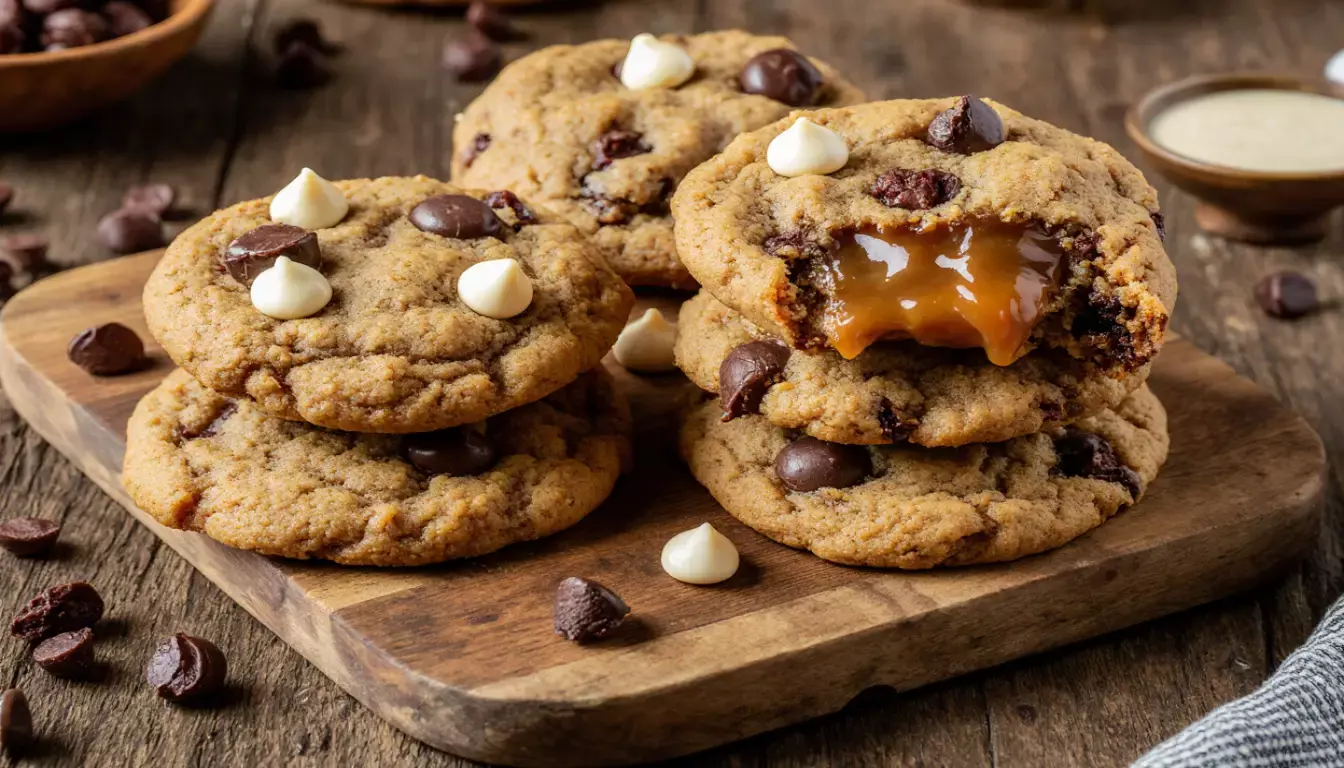
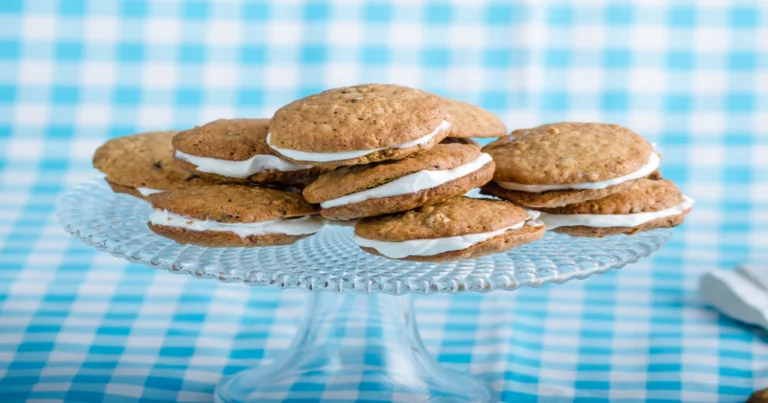
Oatmeal cookies are naturally well-suited to eggless baking. The oats themselves provide structure and moisture retention, so the egg substitute needs to do less work. Applesauce works particularly well here — it complements the oat flavor and adds natural sweetness.
Ingredients
- 1 cup (226g) butter, softened
- ¾ cup (165g) brown sugar, packed
- ½ cup (100g) granulated sugar
- 3 tablespoons applesauce (egg substitute)
- 1 teaspoon vanilla extract
- 1½ cups (188g) all-purpose flour
- 1 teaspoon baking soda
- 1½ teaspoons cinnamon
- ½ teaspoon salt
- 3 cups (270g) old-fashioned rolled oats
- 1 cup raisins or chocolate chips (optional)
Instructions
- Preheat oven to 350°F (175°C).
- Beat butter and sugars until light and fluffy.
- Mix in applesauce and vanilla.
- Whisk flour, baking soda, cinnamon, and salt together.
- Add dry ingredients to wet, mix until combined.
- Fold in oats and any mix-ins.
- Drop rounded tablespoons onto lined baking sheets.
- Bake 11–13 minutes until edges are golden.
- Cool on sheet 3 minutes before transferring to a rack.
Cookies Without Eggs and Butter
For those avoiding both eggs and dairy, it is still possible to make delicious cookies. The key is choosing the right fat substitute for butter and the right binder for eggs — and making sure they are not both liquid substitutes used at the same time.
Best Butter Substitutes in Cookies
- Vegan butter — Earth Balance sticks is a direct 1:1 substitute. Closest taste and texture to real butter.
- Coconut oil — Use in solid form, not melted. Replace 1:1 by weight. Creates slightly crispier cookies.
- Avocado — Mashed avocado, 1:1 by weight. Creates moist, dense cookies. Best in chocolate recipes where the color is hidden.
- Nut butter — Works in specific recipes designed around a nut butter base.
Fully Dairy-Free and Egg-Free Chocolate Chip Cookies
Swap butter for: Vegan butter (Earth Balance sticks)
Swap egg for: Flax egg or aquafaba
Swap chocolate chips for: Dairy-free dark chocolate chips
Everything else in the recipe stays the same. The result is a fully vegan cookie that is soft, chewy, and holds together well.
Important: Do Not Replace Both at Once With Liquids
Do not replace both butter and eggs with liquid substitutes simultaneously — for example, coconut milk for butter and applesauce for eggs. Too much liquid creates flat, greasy cookies that spread uncontrollably. Keep at least one ingredient with a solid fat structure.
Troubleshooting Eggless Cookie Problems
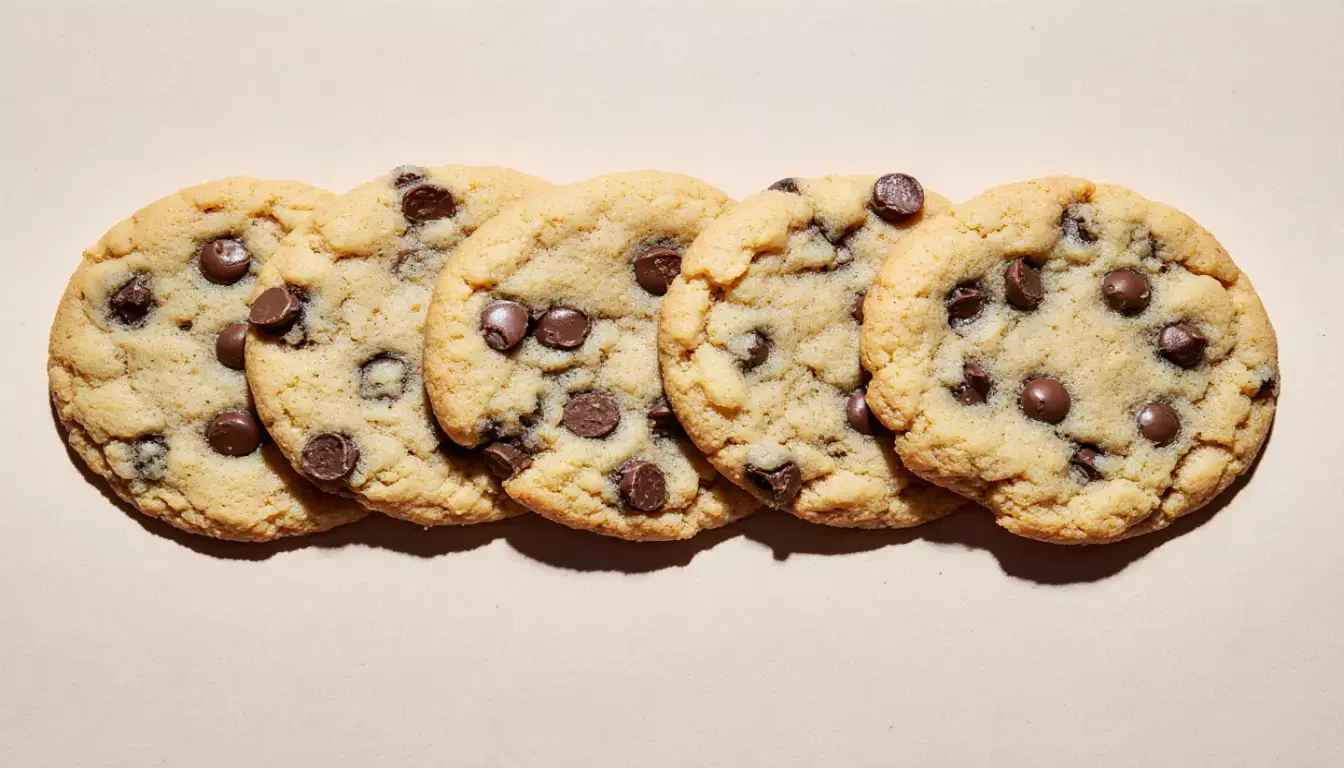
Texture Problems
- Too flat: Butter too warm or too little flour. Chill dough 30 minutes or add 1–2 tablespoons more flour.
- Too crumbly: Not enough binding. Switch to a stronger substitute — yogurt or heavy cream instead of applesauce.
- Too dry: Overbaked or too much flour. Reduce bake time by 1–2 minutes and measure flour by spooning, not scooping.
- Too cakey: Applesauce and banana create cakier cookies. Switch to heavy cream for a chewier result.
- Too greasy: Butter too soft or melted. Use room temperature butter and chill the dough if it feels loose.
Flavor and Appearance Problems
- Lacks flavor: Add ¼ teaspoon more salt and ½ teaspoon more vanilla. Use dark brown sugar instead of light.
- Too pale: Increase oven temperature by 25°F or bake 1–2 minutes longer.
- Tastes like the substitute: Banana and applesauce add noticeable flavor. Choose heavy cream or aquafaba for a neutral taste.
- Chips sink to bottom: Toss chocolate chips in 1 teaspoon flour before folding into the dough.
- Hardens after cooling: Overbaked. Pull from oven when centers still look underdone — they set as they cool.
Storage and Freezing for Eggless Cookies
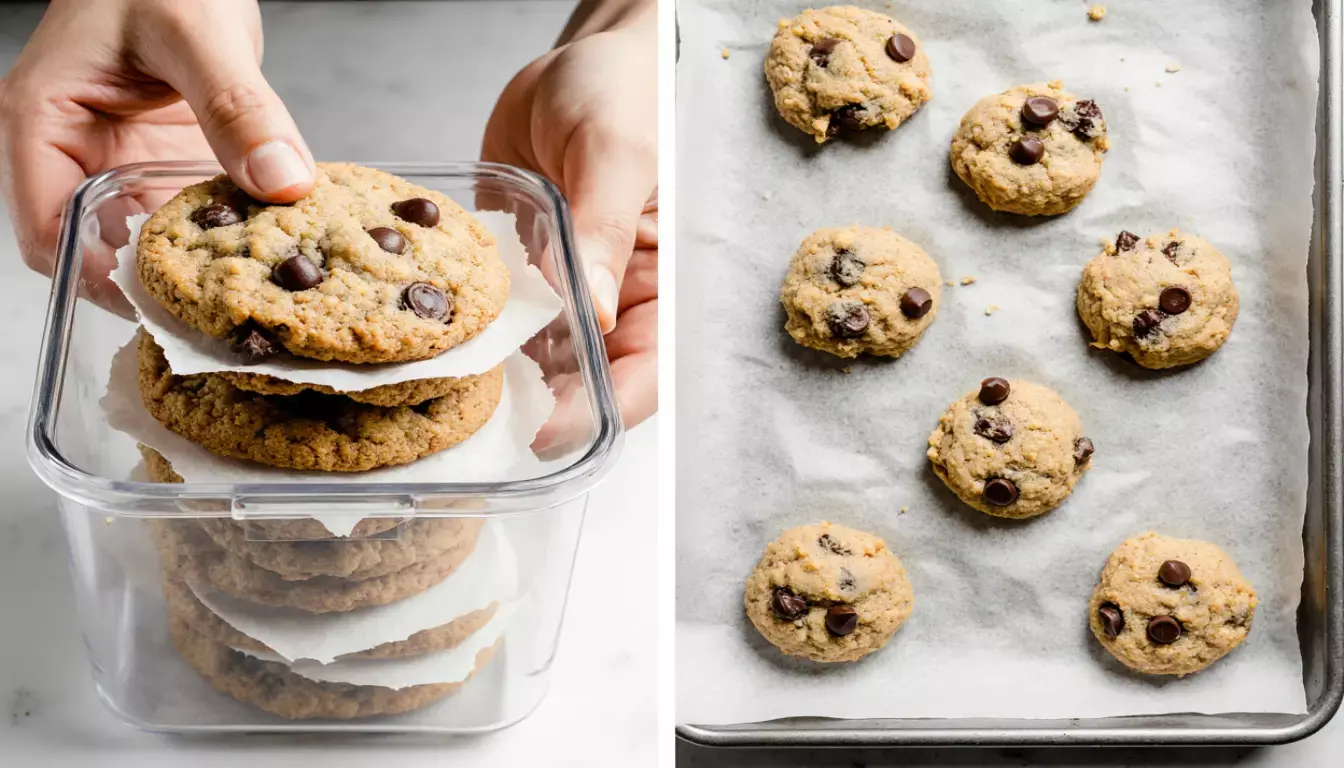
Baked Cookies
- Room temperature: Airtight container up to 5 days. A slice of bread inside keeps cookies soft.
- Refrigerator: Airtight container up to 1 week.
- Freezer: Parchment between layers in a freezer-safe container. Up to 3 months. Thaw at room temperature 1–2 hours.
- Refreshing stale cookies: Warm in a 300°F oven for 3–5 minutes to restore softness.
Freezing Cookie Dough
- Portioned balls: Freeze on parchment until solid (1 hour), then transfer to freezer bags. Up to 3 months.
- Baking from frozen: Add 1–2 minutes to baking time. No need to thaw.
- Bulk dough: Wrap tightly in plastic wrap, then place in a freezer bag. Thaw overnight in the refrigerator before using.
- Label: Always mark the date and baking temperature on the bag.
Explore More Cookie Recipes
From rich chocolate cookies to fruity and protein-packed options — browse all cookie recipes on DessertRecipesLab.
Browse All Cookie RecipesFrequently Asked Questions About Eggless Cookies
Can you make cookies without eggs?
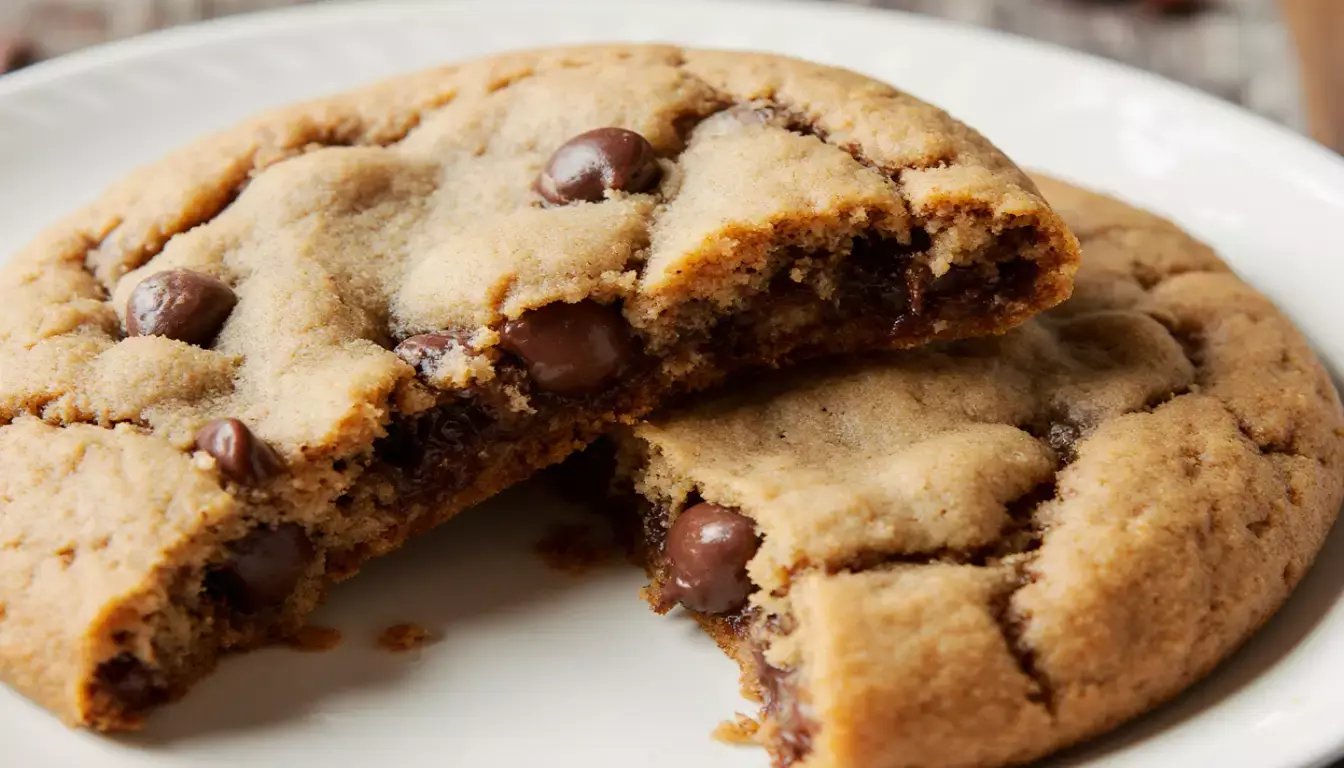
Yes. Cookies can be made without eggs by replacing them with a binding substitute such as heavy cream (3 tablespoons per egg), plain yogurt (¼ cup per egg), a flax egg (1 tablespoon ground flaxseed + 3 tablespoons water), or applesauce (3 tablespoons per egg). Each substitute produces slightly different results, but all of them produce cookies that hold together well and taste excellent.
What happens if you make cookies without eggs and no substitute?
If you remove eggs from a recipe and add nothing in their place, the cookies will most likely spread flat, fall apart, and come out dry and crumbly. The egg provides the binder that holds the dough together. Some high-fat recipes like pure peanut butter cookies can work without an egg substitute because the fat provides enough binding, but most standard cookie recipes need something to replace the egg’s function.
What is the best egg substitute for cookies?
For most cookie recipes, heavy cream (3 tablespoons) is the best egg substitute because it produces cookies with the most traditional texture — chewy centers and slightly crisp edges — with no noticeable flavor change. For vegan baking, a flax egg (1 tablespoon ground flaxseed mixed with 3 tablespoons water, rested 5–10 minutes) is the most reliable option across different cookie types.
Can I make cookies without eggs and butter?
Yes. For cookies without eggs and butter, use vegan butter (Earth Balance sticks work best) in place of dairy butter and a flax egg or aquafaba in place of eggs. Coconut oil in its solid form is another butter replacement option at a 1:1 ratio by weight. Avoid replacing both butter and eggs with liquid substitutes simultaneously, as this causes the dough to spread too much and become greasy.
Why are my eggless cookies flat?
Flat eggless cookies are usually caused by butter that is too warm, dough that is too soft, or insufficient flour. To fix this: chill the dough for 30 minutes before baking, add 1–2 extra tablespoons of flour, and confirm your butter is at room temperature (soft but not melted). Some egg substitutes like applesauce also encourage more spreading — switching to heavy cream or yogurt gives the dough more structure.
How do eggless cookies taste compared to regular cookies?
When made with a neutral substitute like heavy cream or aquafaba, eggless cookies taste nearly identical to regular cookies. Most people cannot tell the difference. The texture may be very slightly softer or denser, but the flavor is the same. Substitutes with their own flavor — like banana or applesauce — will add a subtle taste, which pairs well with certain recipes but may not suit all cookies.
Can I make eggless cookie dough ahead of time?
Yes. Eggless cookie dough can be made up to 3 days ahead and stored covered in the refrigerator. Chilling the dough often improves both flavor and texture. Portioned dough balls can also be frozen for up to 3 months and baked directly from frozen — just add 1–2 minutes to the baking time.
Why do traditional cookie recipes need eggs?
Eggs serve three functions in cookies: binding (holding all ingredients together so the cookie does not crumble), moisture (keeping the interior soft and chewy), and structure (helping the cookie keep its shape during and after baking). The egg yolk adds richness and fat, while the egg white provides protein that strengthens the structure. All of these functions can be replicated with the right substitute.
Final Thoughts on Baking Eggless Cookies
Baking cookies without eggs is simple once you understand what eggs actually do and which ingredient can replace those functions. The four most useful substitutes for most bakers are heavy cream (for the best traditional texture), yogurt (for soft tender cookies), flax egg (for vegan baking), and applesauce (for lighter cake-style cookies).
The four recipes in this guide cover the most common eggless cookie types — chocolate chip, sugar, peanut butter, and oatmeal — providing a solid starting point for any egg-free baking project. The same substitution principles apply to any other cookie recipe you want to adapt.
Discover More Dessert Recipes
From easy no-bake treats to indulgent healthy desserts — DessertRecipesLab has everything you need to satisfy your sweet tooth.
Explore All Dessert Recipes